Regulatory Compliance and Environmental Law Venezuela Takes a Step Forward with MARPOL Annex VI
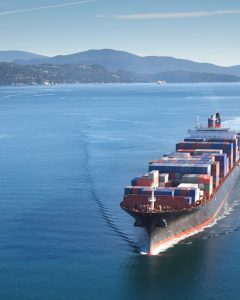
Venezuela officially approved MARPOL Annex VI on September 29th 2026, aligning with international standards established in 2005. The regulation strictly targets maritime emissions, helping limit air pollution and environmental damage caused by ships operating in Venezuelan waters.
On September 29th, 2026, Venezuela approved MARPOL Annex VI to curb vessel-source air pollution, aligning with standards active globally since 2005. The framework restricts sulfur oxides, nitrogen oxides, and particulate emissions, bans ozone-depleting substance releases, and enforces stricter controls in designated areas.
SOx, NOx, and particulate matter from fossil fuel combustion cause photochemical smog, lung damage, and acid rain.
Compliance requires using low-sulfur fuel oil or installing exhaust gas cleaning systems (scrubbers).
These restrictions apply to all onboard combustion equipment, including main and auxiliary engines, boilers, and inert gas generators.
Diesel engines must be certified under the 2008 NOx Technical Code, with mandatory compliance verified through both flag state registration and port state control inspections.
This approval upholds the right to a healthy environment under Article 127 of the Constitution of the Bolivar Republic of Venezuela. It aligns national maritime policy with constitutional obligations to protect ecosystems and public health.
Approving MARPOL Annex VI strengthens maritime regulations and reaffirms our environmental commitment. Reducing our carbon footprint is a vital task that begins on our own shores.